

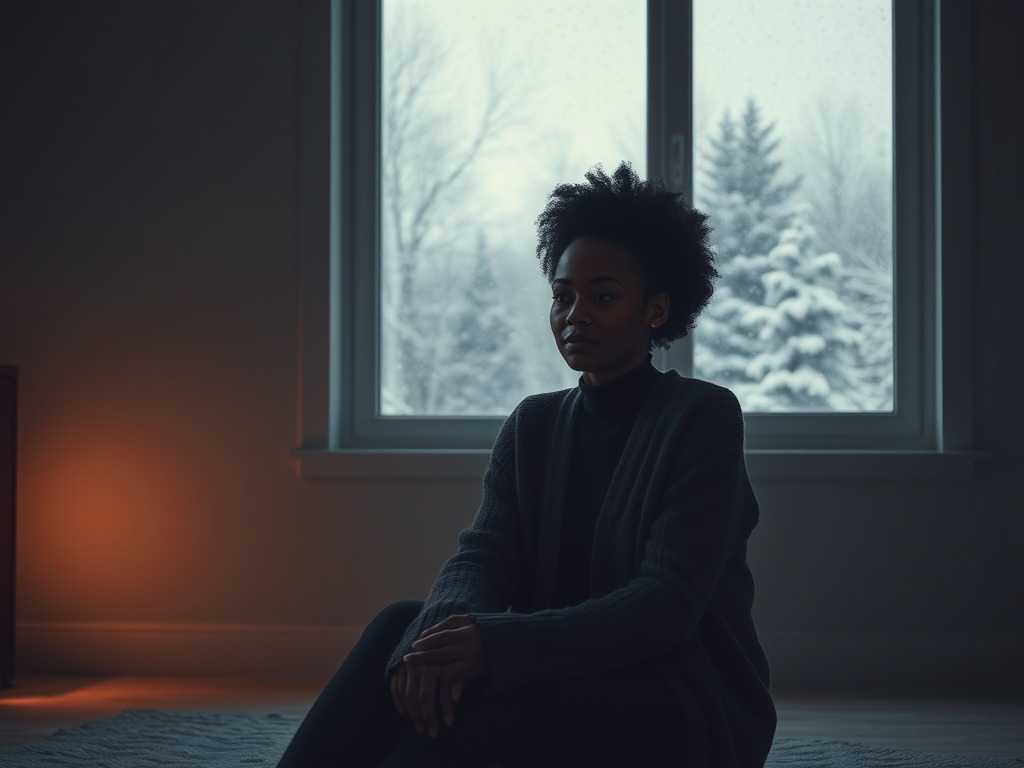
Seasonal depression which is commonly known as Seasonal Affective Disorder (SAD) is a type of recurrent depression that follows a predictable yearly pattern. For many people, it starts in the fall and continues into the winter when there’s less sunlight. And it’s not just feeling “blah” or hating cold weather — SAD has real biological causes and real treatments that help.
What Causes Seasonal Depression?
SAD is strongly tied to changes in daylight. When we get less sunlight, the brain struggles to regulate serotonin and dopamine which are neurotransmitters essential for mood balance. That shift can lead to feeling tired, sad, foggy, or irritable during the gloomy winter days. When I still lived up North every November, I could feel myself slowing down. I’d wake up groggy no matter how long I slept, and by mid-afternoon I felt like I was running on fumes. I used to think I was just being lazy until I learned how much light affects our bodies. Since moving to the South I’ve noticed my SAD is almost non-existent thanks to the warmer, sunnier weather we experience more often down here during the winter.
Who Is Most at Risk for Seasonal Depression?
A major narrative review of SAD research (2019–2023) identified several key risk factors:
- Young adults (ages 18–30)
- Women
- People with a family history of SAD
- Those with insomnia, low energy, or certain personality traits
- Anyone living in places with long, dark winters
Global prevalence ranges from 3% to 21%, depending on climate and geography which illustrates how strongly light exposure influences mood.
How Seasonal Depression Affects Mental and Physical Health
Seasonal depression impacts:
- Mood: sadness, irritability, loss of interest, and social withdrawal
- Sleep: difficulty waking, oversleeping, or irregular sleep cycles
- Cognition: reduced focus and occasionally poorer memory performance
- Energy Levels: fatigue, lack of motivation, and decreased physical activity
These symptoms can disrupt daily functioning and significantly affect academic, social, and work life. During the winter, I used to cancel plans constantly. Not because I didn’t want to but because I just didn’t have the energy. I’d stare at my to‑do list and feel overwhelmed by the simplest tasks. Once spring arrived, it felt like someone flipped the lights back on in my brain and I could stop being a grumpy bear who only wanted to hibernate through the winter.
What Treatments Work for Seasonal Depression?
1. Light Therapy
Bright light therapy is one of the most researched interventions for SAD. Using a sun lamp for 30–60 minutes in the morning can help reset your internal clock and boost your mood.
2. Cognitive Behavioral Therapy (CBT)
A 2025 meta‑analysis found that group‑based CBT is as effective as light therapy for treating winter depressive episodes—and even more effective in preventing relapse over the following 1–2 years. This makes CBT a strong long‑term solution.
3. Lifestyle Adjustments
Experts recommend daily habits that support mood regulation during low‑light seasons:
- Spending time outside during daylight hours
- Maintaining consistent sleep and wake times
- Tracking daily habits to identify what improves mood
- Staying socially connected, even virtually
These practices help stabilize energy, improve emotional resilience, and reduce the intensity of symptoms.
Seasonal Depression Doesn’t Have to Control Your Life
Seasonal depression affects millions of people each year — and it’s nothing to feel ashamed about. It’s a real, predictable condition rooted in biology, and there are treatments that genuinely help. Light therapy, CBT, and small daily habits can make winter feel much more manageable. And if you usually struggle during the colder months, getting support early can make a big difference.